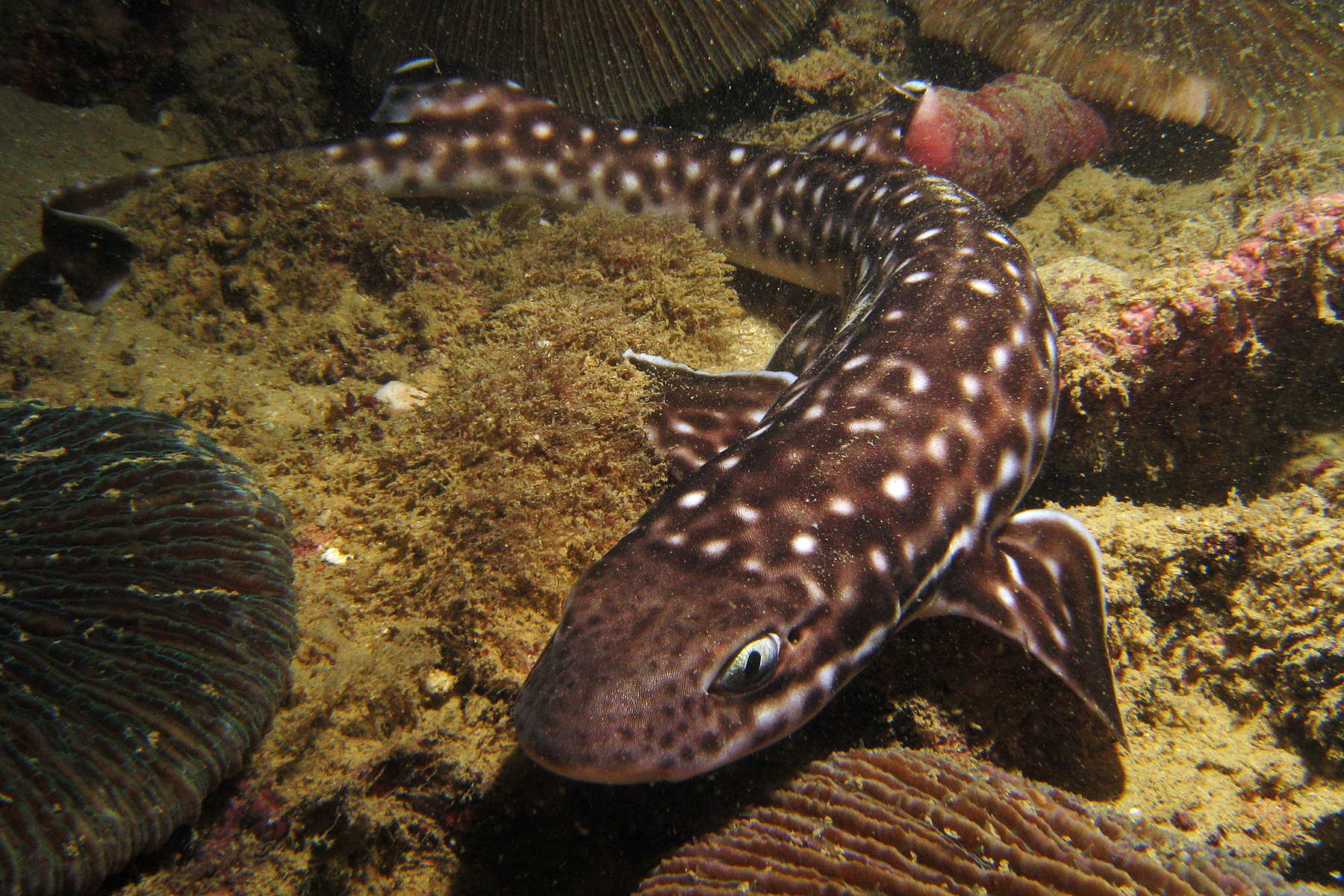
During the day they hide under rocks or in seagrass; at night they go hunting.
Can detect tiny electrical signals and smells from prey buried in the sand.
They lay “mermaid’s purses”: Their eggs are leathery cases often found washed up on beaches.
Bottom-feeder with good taste: Eats crabs, shrimp, worms, and small fish.
Small and harmless: Usually only 60–100 cm long and poses zero danger to humans.
Masters of camouflage: Their spots help them blend perfectly into rocky and sandy seabeds.
Very Mediterranean: Commonly found from shallow coastal waters to depths of 400 m.
Ancient design: Sharks like this haven’t changed much in millions of years — nature nailed it early.
Fun Fact:They get their name from their cat like behaviours: They curl up to sleep and have vertical pupils, just like cats.
Sun Fish
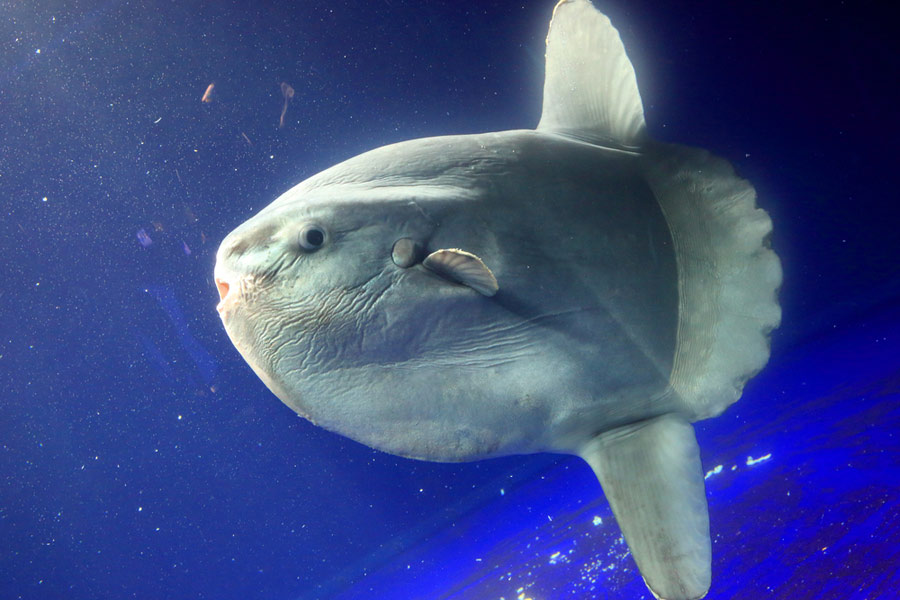
Heaviest bony fish on Earth, They can weigh over 2,000 kg — heavier than a small car.
They look like they’re swimming sideways: Sunfish move by flapping their huge dorsal and anal fins like wings.
They look like they’re swimming sideways: Sunfish move by flapping their huge dorsal and anal fins like wings.
They sunbathe, Often seen lying on their side at the surface, warming up after deep dives — hence the name sunfish.
Jellyfish are their main food, Low in calories, so sunfish need to eat a LOT to stay that big.
They can dive really deep, Sunfish have been recorded diving over 600 metres below the surface.
Despite their size, their brain is tiny: About the size of a walnut — which honestly explains the vibes.
Squid
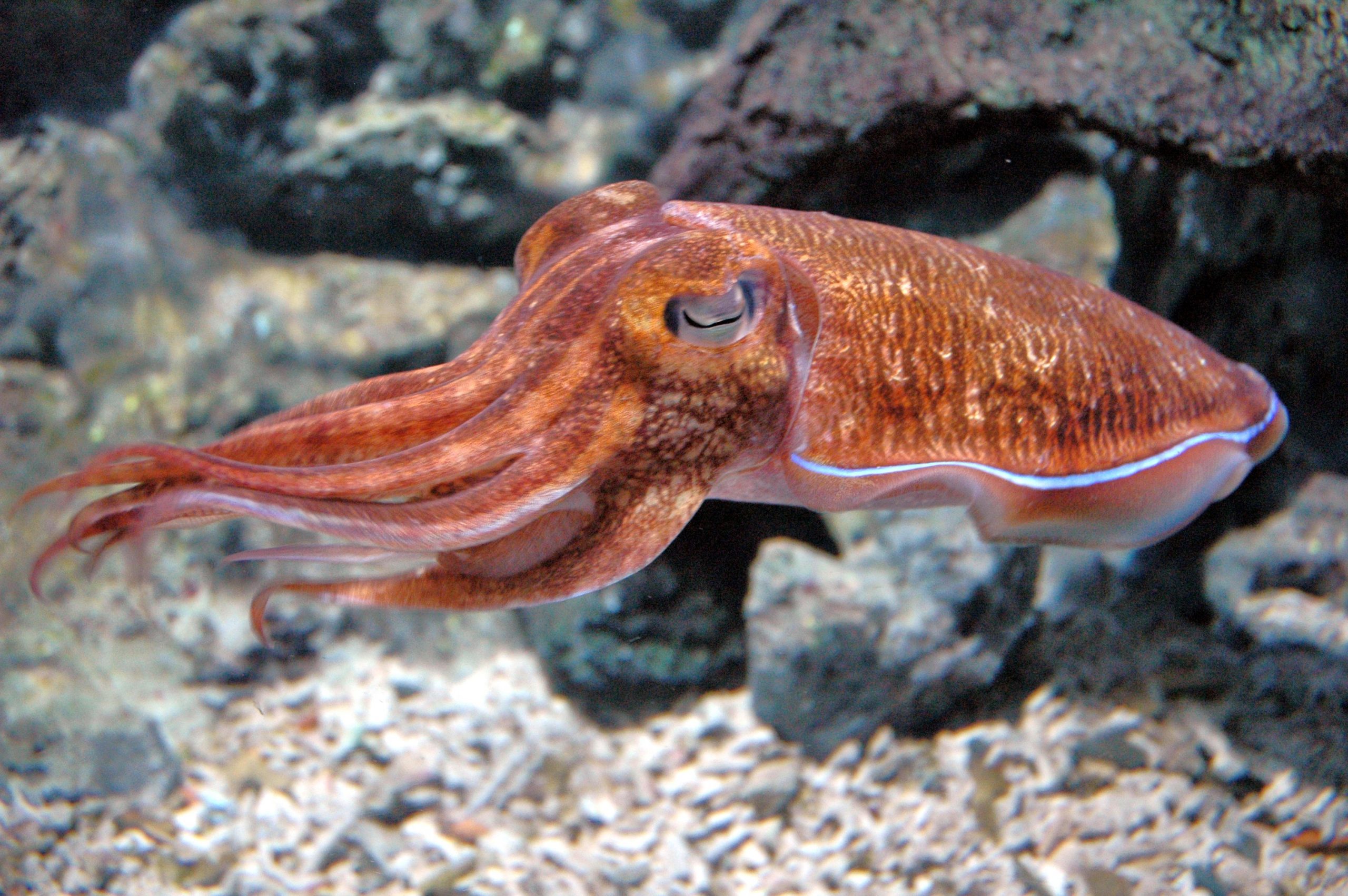
They are very fast swimmers with powerful jet propulsion
Often appear in groups or schools
Highly curious and alert
Short lifespan but rapid growth
Fun Fact:Squid have three hearts and blue blood.
Mediterranean Monk Seal
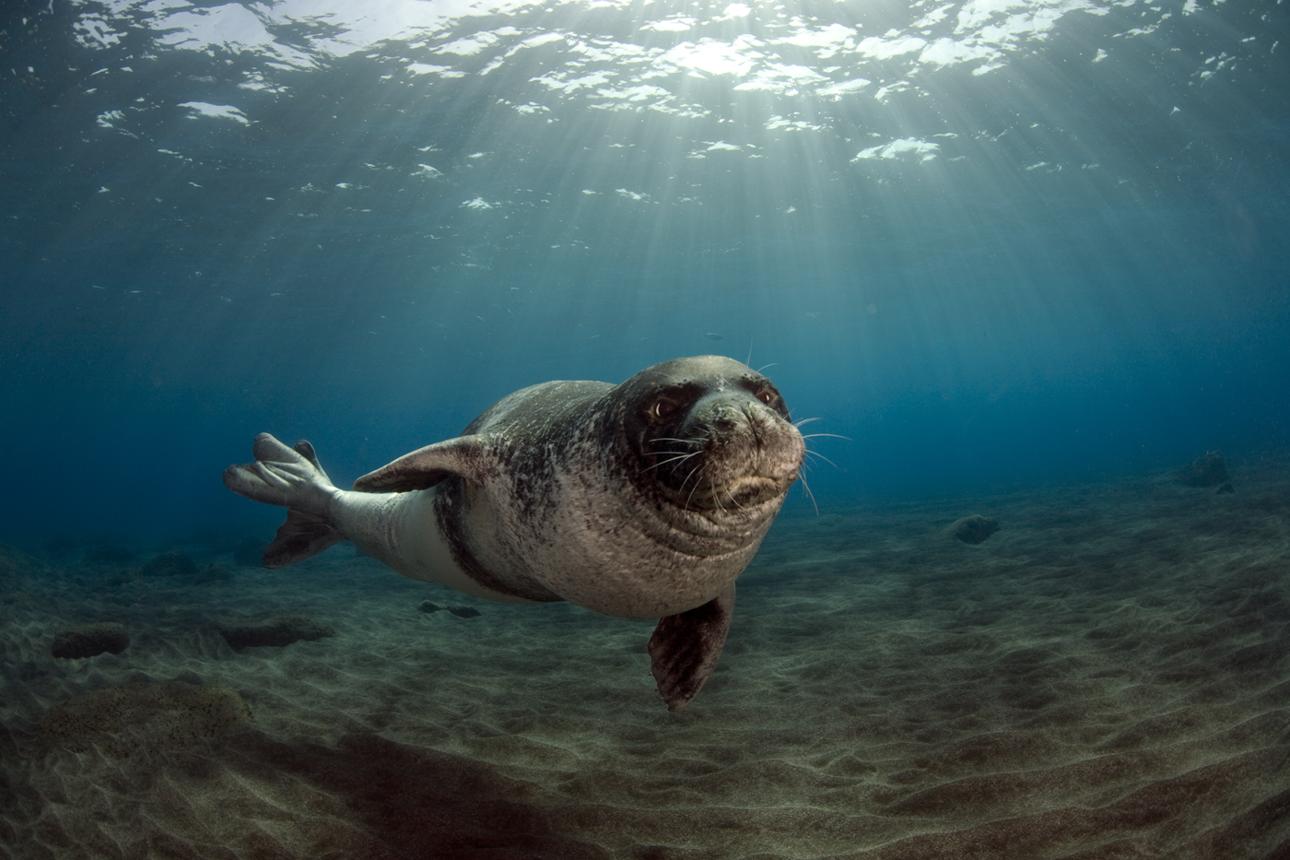
The Mediterranean monk seal is one of the rarest seals in the world — and one of the rarest marine mammals overall. Here are some fun facts about them:
They can hold their breath underwater for around 15 minutes while hunting fish, squid, and octopus.
Mediterranean monk seals are surprisingly shy. Unlike many seals that gather in huge groups, they often rest alone or in very small groups inside hidden sea caves.
They used to live all across the Mediterranean Sea, but now most are found around parts of Greece, Turkey, and the Atlantic coast near Portugal.
Pups are born with a fluffy black coat and a pale patch on their belly that’s unique to each seal — a bit like a fingerprint.
Adults can grow to about 2.5 metres long and weigh up to 300 kg.
They’re excellent divers and can swim long distances between islands and coastlines.
Ancient Greeks admired monk seals and believed they were protected by the gods. The name “monk seal” may come from the folds of skin around their shoulders looking like a monk’s robe.
They are critically endangered. At one point there were believed to be fewer than 400 left in the wild, though conservation efforts are slowly helping populations recover.
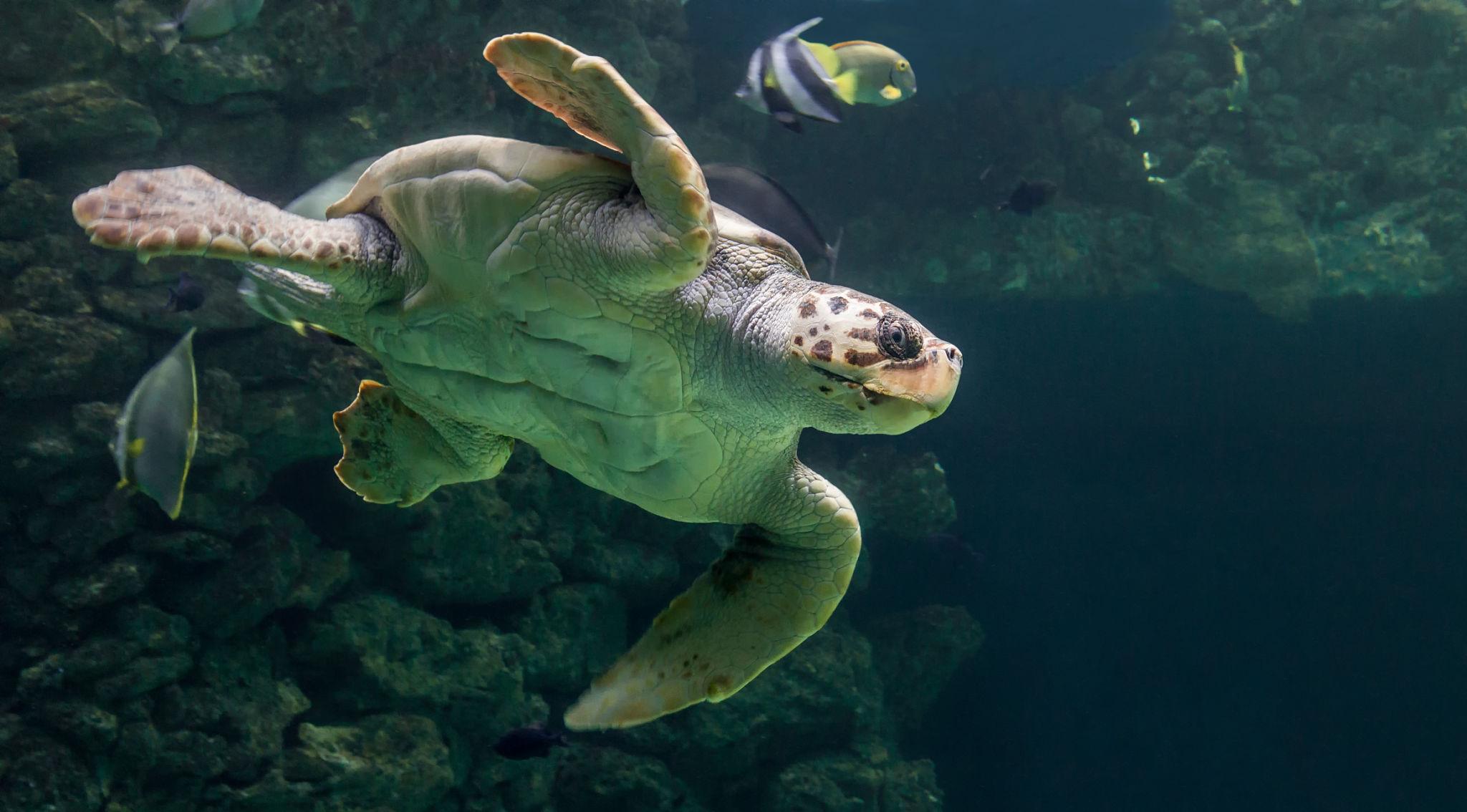
Mediterranean Loggerhead Sea Turtle
The Loggerhead sea turtle is one of the most famous sea turtles in the Mediterranean — and they’re incredible animals.
Loggerheads get their name from their huge heads, which contain very strong jaws for crushing crabs, shellfish, and sea urchins.
Some Mediterranean loggerheads migrate thousands of kilometres between feeding grounds and nesting beaches.
Females often return to the exact beach where they were born to lay their eggs years later.
Baby turtles use moonlight and reflections on the sea to help find the ocean after hatching.
Their sex is affected by sand temperature:
Warmer sand = more females
Cooler sand = more males
Loggerheads can live for decades — scientists think many reach 50 years or more.
They spend most of their lives at sea and can sleep floating on the surface or tucked under rocks underwater.
The Mediterranean Sea is one of the world’s most important nesting areas for loggerheads, especially around Greece, Turkey, and Cyprus.
Their shells are usually reddish-brown on top with a pale yellow underside.
Young loggerheads often drift in ocean currents for years during what scientists call the “lost years” because they’re so hard to track.
One of their biggest dangers is accidentally getting caught in fishing gear or eating floating plastic mistaken for jellyfish.
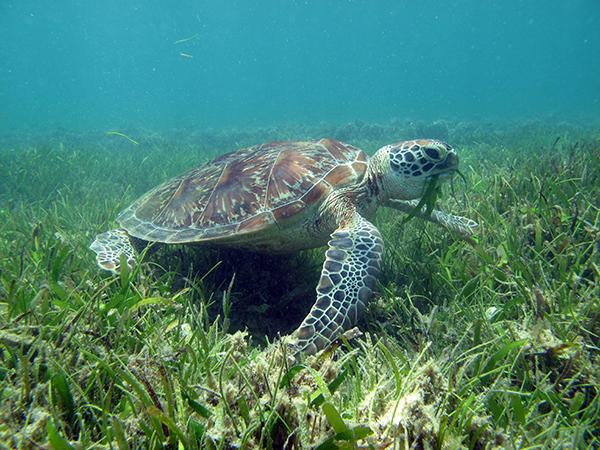
Mediterranean Green Turtle
Despite the name, green turtles aren’t named after their shell colour — the “green” comes from the greenish fat beneath their shell caused by their plant-based diet.
Adult green turtles are mostly herbivores and love eating seagrass and algae. They help keep seagrass meadows healthy by “mowing” them like underwater lawnmowers.
They can grow over 1 metre long and weigh more than 180 kg.
Mediterranean green turtles mainly nest around Cyprus and parts of Turkey.
Like loggerheads, females often return to the same beach where they hatched to lay eggs.
Hatchlings are tiny — only about the size of a biscuit — but adults become huge ocean travellers.
Green turtles can stay underwater for several hours while resting.
They have excellent underwater vision and are very sensitive to vibrations in the water.
Their shells can have beautiful patterns of brown, olive, black, and gold that look almost painted.
Scientists believe green turtles use Earth’s magnetic field like a built-in GPS to navigate across oceans.
They’ve existed since the time of the dinosaurs — sea turtles have been around for more than 100 million years.
Green turtles are endangered due to plastic pollution, fishing nets, boat strikes, and loss of nesting beaches.